Get Arborist Pruning
Arborist pruning services help property owners improve tree health, remove hazards, shape trees, and manage growth through expert trimming and thinning projects.
Arborist pruning services are an important aspect of maintaining the health, safety, and appearance of trees on residential or commercial properties. Proper pruning can help promote vigorous growth, remove hazardous branches, and shape trees to enhance the overall landscape. Property owners in the area often explore these services to ensure their trees remain strong and attractive, especially as part of ongoing property upkeep or before seasonal changes. By reviewing local contractors, those interested can compare options and find experienced professionals equipped to handle a variety of pruning needs.
Whether planning a routine maintenance project or addressing specific concerns, property owners are encouraged to consider the benefits of professional pruning. Local service providers offer the expertise necessary to evaluate each tree’s condition and determine the most appropriate pruning techniques. Continuing to read can help identify qualified contractors who can assist in developing a tailored approach to tree care, ensuring the long-term health and safety of the landscape.
- Tree Trimming - needed when trees become overgrown or interfere with structures and power lines.
- Deadwood Removal - required to eliminate dead or diseased branches that pose safety hazards.
- Structural Pruning - used to improve a tree’s shape and stability, especially after storm damage.
- Thinning - performed to reduce weight and wind resistance in dense canopy areas.
- Formative Pruning - essential for young trees to establish proper growth and development.
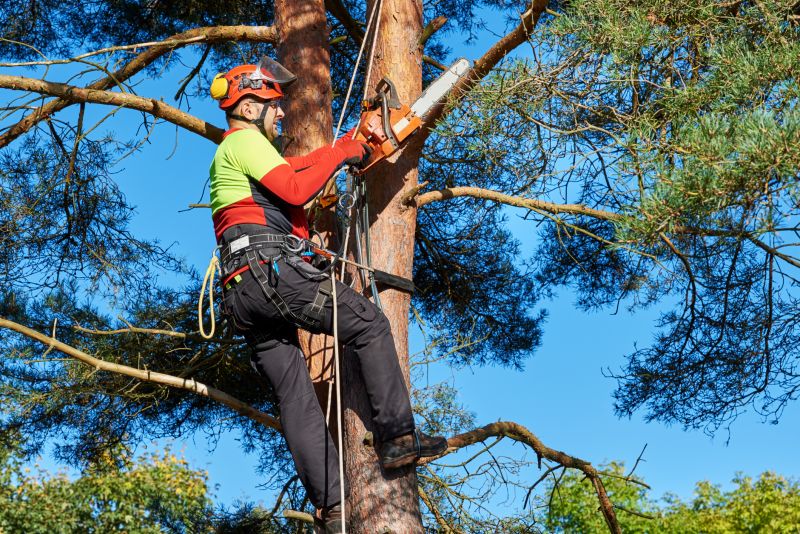
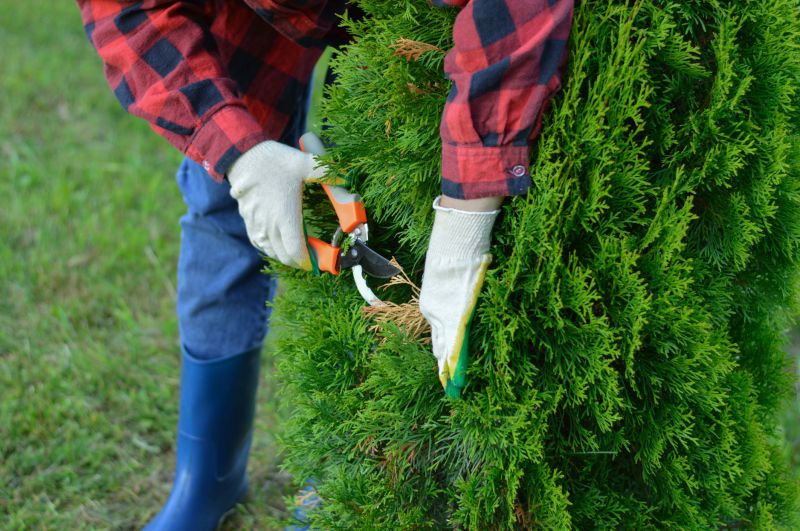
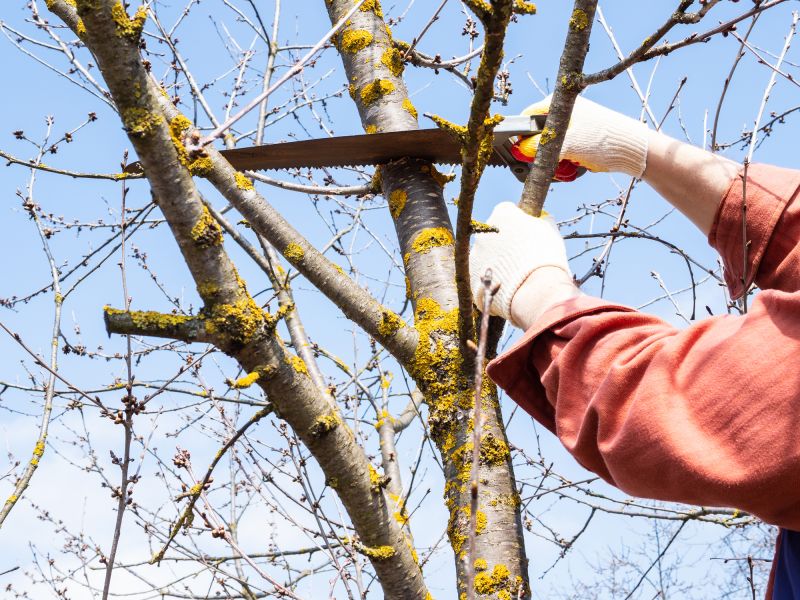
Arborist pruning services involve carefully trimming and shaping trees to promote healthy growth and enhance their appearance. Skilled service providers assess each tree’s unique structure, removing dead, damaged, or diseased branches that could pose risks or hinder overall health. Proper pruning encourages better airflow and sunlight penetration, which can help trees resist pests and diseases while maintaining their natural form. This service is essential for maintaining the safety and aesthetics of trees on residential properties, commercial landscapes, and public spaces.
Pruning can help address a variety of common problems, such as overgrown branches that interfere with power lines or structures, limbs that are at risk of falling, or trees that have become unbalanced. It can also prevent potential damage caused by storm events or heavy winds by reducing the weight of heavy branches. Additionally, pruning can be used to remove crossing or rubbing branches that can cause wounds or infections. Regular maintenance pruning helps extend the lifespan of trees and reduces the likelihood of costly damage or safety hazards.
This service is typically used on a wide range of properties, including single-family homes, apartment complexes, parks, and commercial sites. Homeowners often seek pruning to improve curb appeal or to ensure safety around their property, especially near driveways, walkways, or play areas. Property managers and business owners may also rely on arborist pruning to maintain the appearance and health of trees in their landscapes. Regardless of the property type, professional pruning helps keep trees strong, healthy, and visually appealing.
When trees become overgrown or show signs of damage, pruning services can be an effective solution. Homeowners might notice dead or broken branches, or limbs that are crowding other plants or structures. Trees that have become misshapen or are growing into power lines are also common reasons to seek professional pruning. By choosing experienced local contractors, property owners can ensure that their trees are properly cared for, reducing risks and supporting long-term health. Contacting local pros for pruning services can help maintain the safety, beauty, and vitality of trees on any property.
The overview below groups typical Arborist Pruning projects into broad ranges so you can see how smaller, mid-sized, and larger jobs often compare in your area.
In many markets, a large share of routine jobs stays in the lower and middle ranges, while only a smaller percentage of projects moves into the highest bands when the work is more complex or site conditions are harder than average.
Smaller Pruning Jobs - Typical costs range from $250-$600 for routine pruning of small to medium-sized trees. Many projects fall within this range, especially for maintenance trimming and shaping. Larger or more complex small jobs can exceed this range but are less common.
Moderate Tree Pruning - For more extensive pruning of larger trees or multiple trees, costs generally fall between $600-$1,500. Many local contractors handle these projects within this band, though complexity can push prices higher.
Large or Hazardous Tree Removal - Removing large, mature, or hazardous trees often costs between $1,500-$3,000. Such projects are less frequent but may involve significant equipment and safety measures, increasing the price.
Full Tree Removal and Stump Grinding - Complete removal of a tree along with stump grinding typically ranges from $2,500-$5,000 or more for very large or multiple trees. These larger projects are less common and tend to be on the higher end of the cost spectrum.
Actual totals will depend on details like access to the work area, the scope of the project, and the materials selected, so use these as general starting points rather than exact figures.
Tree Removal - professionals skilled in safely removing trees often have experience with pruning techniques to ensure healthy growth and proper tree health management.
Stump Grinding - stump grinding requires similar tools and planning as pruning, focusing on removing leftover tree stumps to improve landscape appearance.
Landscape Design - landscape projects often involve selecting and positioning trees and shrubs, which benefits from pruning expertise to shape and maintain plant health.
Emergency Tree Care - emergency services for fallen or damaged trees utilize pruning skills to safely remove hazardous branches and stabilize affected trees.
Hedge Trimming - trimming hedges involves precise cutting techniques and planning akin to pruning trees to promote dense, healthy growth.
Fruit Tree Pruning - specialized pruning of fruit trees shares techniques and tools with arborist pruning to maximize fruit production and tree vitality.
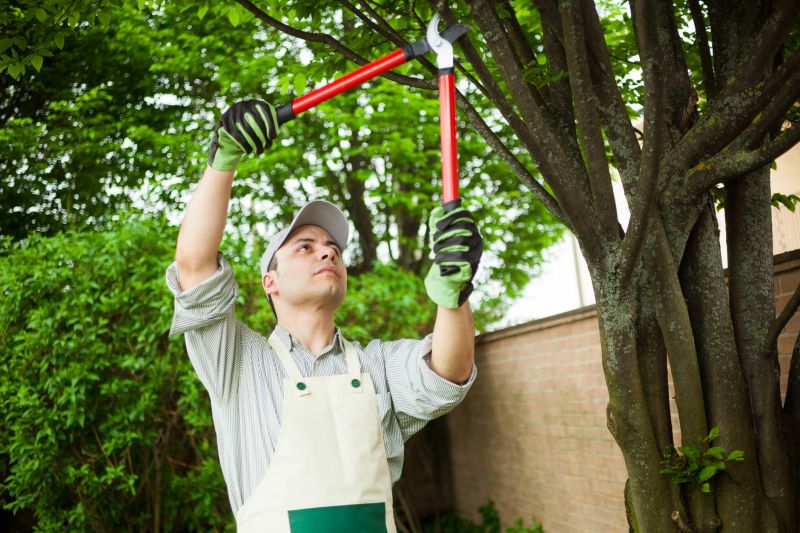
When comparing arborist pruning services, it’s important to consider the experience of local contractors with similar projects. An experienced service provider will have a track record of handling trees similar in size, species, or location to those on your property. This familiarity can contribute to more efficient work and help ensure that the pruning is performed correctly, promoting the health and safety of your trees. Asking for examples of past work or verifying the types of trees they have maintained can provide insight into their expertise and comfort level with projects like yours.
Clear written expectations are essential when selecting a service provider. A reputable local contractor should be able to outline the scope of work, what pruning techniques will be used, and any considerations specific to your trees or property. Having these details in writing helps prevent misunderstandings and ensures that both parties are aligned on the project’s goals. It’s also helpful to inquire about how they handle unforeseen issues or changes during the job, so that expectations remain transparent from the start.
Good communication and reputable references are key indicators of a reliable arborist pruning service. Service providers who are responsive and willing to answer questions demonstrate professionalism and respect for your concerns. Additionally, requesting references or reviews from previous clients can offer valuable insight into the quality of their work and customer satisfaction. While the site introduces homeowners to local options, it’s important to remember that it does not perform the work itself; instead, it helps connect individuals with qualified local contractors who can handle the job effectively.
Property owners use Arborist Pruning services for practical projects around their homes and businesses. This guide focuses on everyday jobs and straightforward project options.
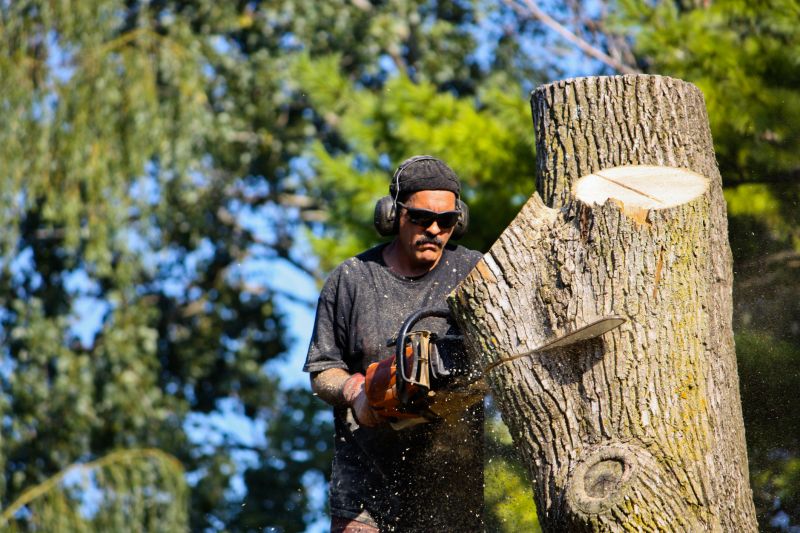
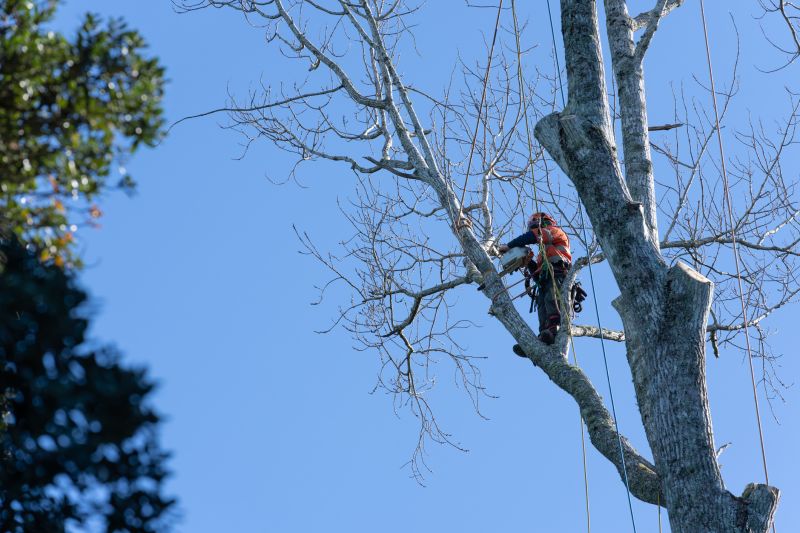
Arborist pruning services are often needed for routine maintenance and aesthetic purposes around residential properties. Property owners might seek these services to remove dead or overgrown branches that could pose safety hazards, improve the overall appearance of trees, or encourage healthy growth. Local contractors can handle a variety of pruning tasks, whether it’s shaping trees to fit the landscape or ensuring clearance around power lines and structures.
In addition to aesthetic concerns, many property owners look for arborist pruning to address issues like storm damage or disease. Proper pruning can help prevent potential hazards, promote better airflow, and extend the life of trees. Local service providers are equipped to assess the condition of trees and perform the necessary pruning to maintain safety and visual appeal in the neighborhood.
What is arborist pruning? Arborist pruning involves selectively trimming trees to remove dead or overgrown branches, improve health, and enhance appearance.
Why should I consider professional pruning services? Professional pruning helps ensure trees are maintained safely and properly, reducing the risk of damage or disease.
What types of pruning do local contractors offer? Local service providers typically offer crown thinning, crown raising, reduction pruning, and deadwood removal.
How can arborist pruning benefit my trees? Proper pruning can promote healthy growth, improve tree structure, and extend the lifespan of your trees.
How do I find qualified arborist pruning services nearby? You can compare local contractors through a lead generation platform that connects homeowners with experienced service providers in the area.
Tree Crown Thinning - This service helps maintain the health and appearance of trees by removing select branches to improve air flow and reduce weight.
Dead Branch Removal - Removing dead or damaged branches can prevent potential hazards and promote healthy growth for trees on a property.
Structural Pruning - Proper pruning shapes trees to prevent branch breakage and encourages a strong, stable structure suitable for the landscape.
Fruit Tree Pruning - Regular pruning can improve fruit production and overall vitality of fruit-bearing trees in residential gardens.
If you are thinking about Arborist Pruning for a property, this guide is meant to help you understand the work, the typical project types, and how different options might fit your plans.
When you are ready, you can use the quote form on this page to share a few details about your project. From there, local pros can review the basics and respond with options that match what you have in mind.