
Favorite Products For Silt Fence Setup And Erosion Control Projects
Browse through popular options that help you install silt fences with precision and confidence on any site.
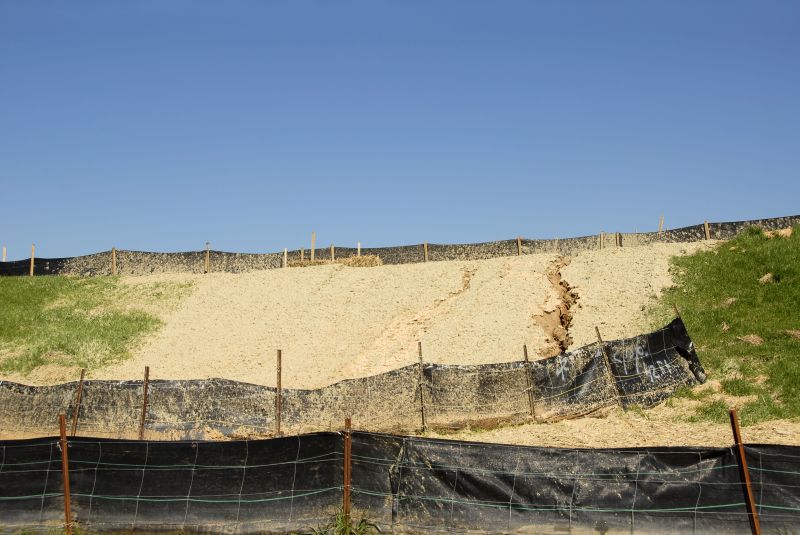 Silt fence installations are essential components in erosion control and sediment management for construction sites, landscaping projects, and land development activities. These barriers are designed to contain sediment and prevent it from washing into nearby waterways or other sensitive areas. Proper installation and selection of the right products can significantly improve the effectiveness of sediment control measures. Silt fences are typically made from woven geotextile fabric supported by posts, creating a barrier that allows water to pass through while trapping soil particles.
Top Overall Option
Heavy-Duty Silt Fence Fabric with Reinforced Support
This versatile silt fence fabric combines durability with ease of installation, featuring a woven geotextile material reinforced with polypropylene fibers for enhanced tear resistance. Its design allows effective sediment containment while maintaining permeability for water flow, making it suitable for a variety of site conditions. The fabric's robust construction helps it withstand environmental stresses, providing reliable performance throughout the project duration.
Types of Products For Silt Fence Installations
Woven Geotextile Fence Fabric
Standard woven fabric designed for sediment containment and erosion control, available in various strengths and mesh sizes.
Reinforced Silt Fence Fabric
Enhanced fabric with additional reinforcement for increased durability in high-flow or challenging conditions.
Steel Post Stakes
Heavy-duty stakes used to anchor the fence fabric securely into the ground, available in different lengths and thicknesses.
Wooden Post Stakes
Traditional wooden stakes suitable for temporary fencing and easy installation.
Wire Ties and Fasteners
Accessories for attaching fabric to posts, ensuring a tight and secure barrier.
Filter Socks
Mesh tubes filled with absorbent material used to filter runoff at the base of the fence.
Corner and End Supports
Specialized fittings to reinforce fence corners and ends for stability and longevity.
Drainage Mats
Perforated mats used in conjunction with silt fences to facilitate water flow while trapping sediment.
Erosion Control Blankets
Matting solutions that complement silt fences for areas requiring additional stabilization.
Post Caps and Anchors
Accessories to protect posts and secure fencing in place against environmental factors.
Temporary Fence Clips
Quick-attach clips for rapid installation and removal of fencing components.
Sediment Barriers with Stakes
Complete kits including fabric and stakes for quick setup in erosion-prone areas.
Popular Choices
Widely used for general sediment control, offering a balance of permeability and strength.
Popular for sites with challenging conditions requiring added durability.
Preferred for their strength and stability in various soil types.
Common choice for temporary installations due to ease of use.
Frequently selected for secure attachment of fabric to posts.
Trending options for enhanced runoff filtration at fence bases.
Popular for reinforcing fence corners and maintaining shape.
Chosen for their ability to improve water flow while trapping sediment.
Often used in conjunction with fences for comprehensive site stabilization.
Favored for quick assembly and disassembly during project phases.
There are various types and configurations of silt fence products available to suit different site conditions and project requirements. Some options include standard woven fabric fences, reinforced fabrics for increased durability, and specialized accessories like stakes, ties, and filters. The choice of materials and installation methods can influence the overall performance, ease of setup, and longevity of the silt barrier. It is important to consider factors such as soil type, slope, rainfall intensity, and project duration when selecting products for silt fence installation.
Proper planning and understanding of the available product options can help ensure effective sediment control. Installing silt fences correctly involves selecting appropriate posts, anchoring methods, and fabric types to withstand environmental stresses. Regular inspection and maintenance are also critical to ensure the barrier remains functional throughout the project duration. By choosing the right products and following best practices, contractors and land managers can achieve better erosion control outcomes and comply with relevant regulations.
Investing in quality silt fence products can contribute to smoother project execution and reduced environmental impact. Whether for temporary or long-term use, there are numerous products designed to meet diverse site conditions. From lightweight fabrics suitable for light sediment to heavy-duty options for high-flow areas, the market offers a broad spectrum of solutions tailored to different needs. Understanding the features and specifications of these products can help in making informed purchasing decisions that align with project goals.
Key Buying Considerations
- Assess the soil type and slope of the installation site to select appropriate fence strength and post type.
- Determine the expected water flow and sediment load to choose suitable fabric permeability and reinforcement.
- Consider the duration of the project—temporary fences may require different materials than long-term solutions.
- Evaluate the ease of installation and whether additional tools or accessories are needed for setup.
- Check for compatibility of fabric and support components to ensure secure attachment and stability.
- Review environmental conditions such as rainfall and runoff patterns that may impact fence performance.
- Identify whether the fence will be installed on uneven terrain, requiring flexible or adjustable components.
- Understand local regulations and standards related to erosion and sediment control to ensure compliance.
- Factor in transportation and storage considerations, especially for large or heavy materials.
- Consider budget constraints while balancing the need for durability and performance.
- Look for products with clear specifications regarding tensile strength, tear resistance, and permeability.
- Determine if accessories like filters, braces, and anchors are necessary for optimal installation.
- Evaluate the availability of replacement parts or additional materials for ongoing maintenance.
- Assess the environmental impact of materials if relevant, even though eco-friendliness is not the primary focus here.